Health Topics
Understanding Blood Pressure: Everyday Habits That Support Healthy Numbers
01 / 05Read Article →
Evidence-based medical information and wellness guidance to help you make informed health decisions.
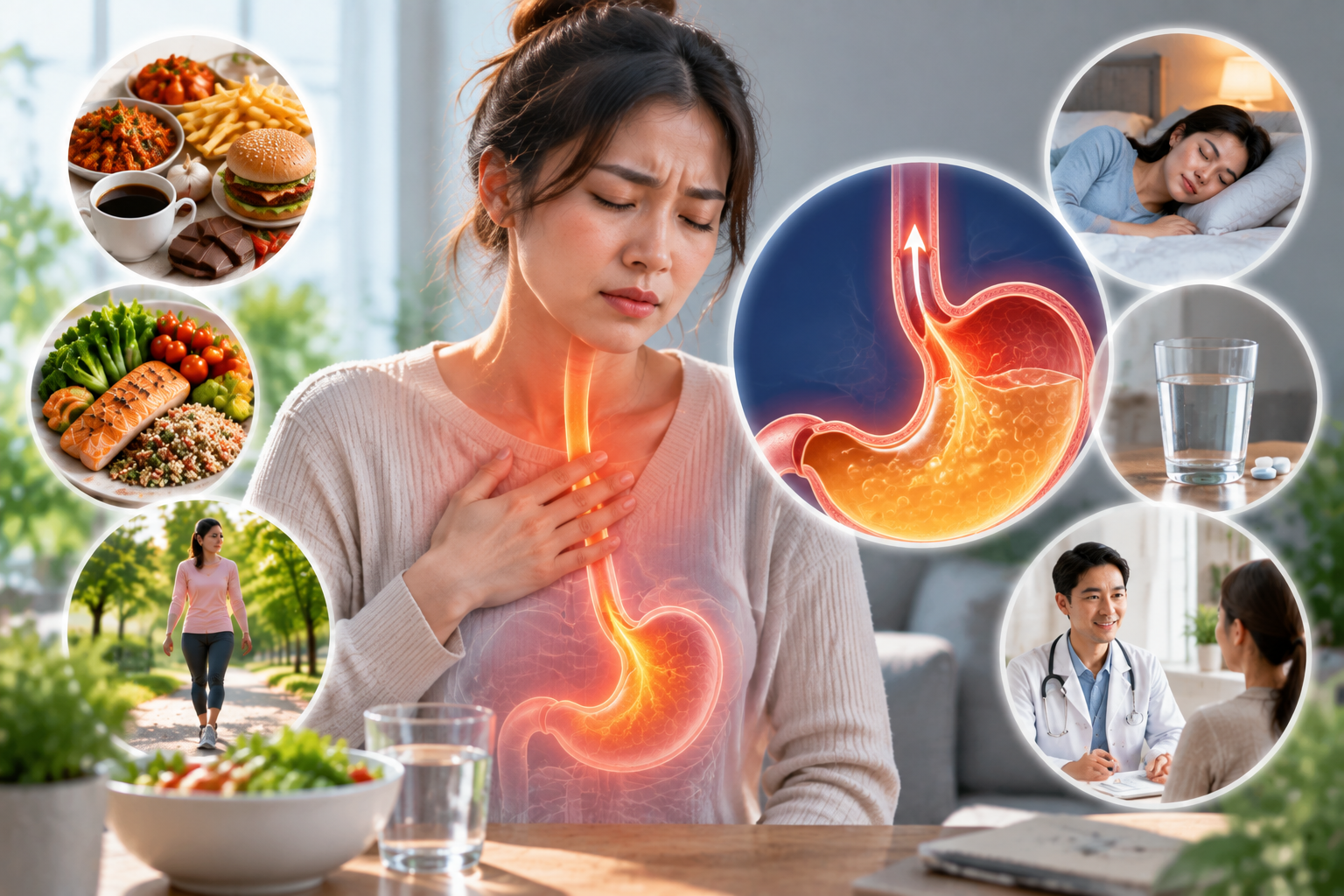
Acid reflux occurs when stomach contents move backward into the esophagus, while gastroesophageal reflux disease, or GERD, refers to reflux that is frequent, troublesome, or causes complications.
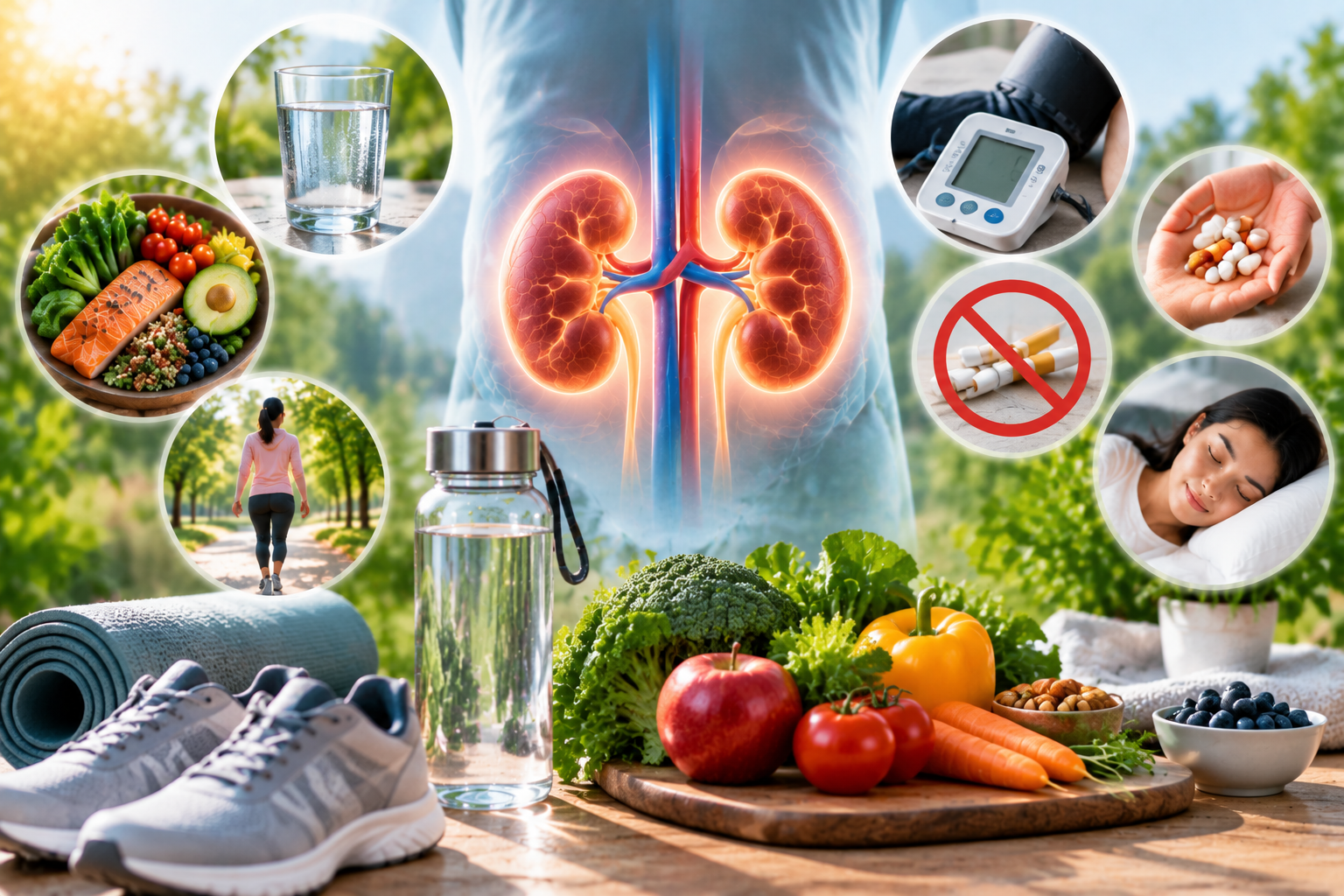
The kidneys filter waste and excess fluid from the blood, balance electrolytes, help regulate blood pressure, and support red blood cell and bone-related hormones.

Journaling is the practice of putting thoughts, plans, experiences, or emotions into written form to create distance and structure. For readers searching for journaling for mental clarity, the most useful starting point.

Vitamin D is a fat-soluble vitamin and hormone-like substance involved in calcium balance, bone health, and other biological processes. For readers searching for vitamin D testing explained, the most useful starting point.

Recovery days are periods of reduced training stress that allow muscles, connective tissues, the nervous system, and energy systems to adapt after exercise.

Meal planning is the process of deciding some meals and ingredients in advance so daily eating requires fewer last-minute decisions.
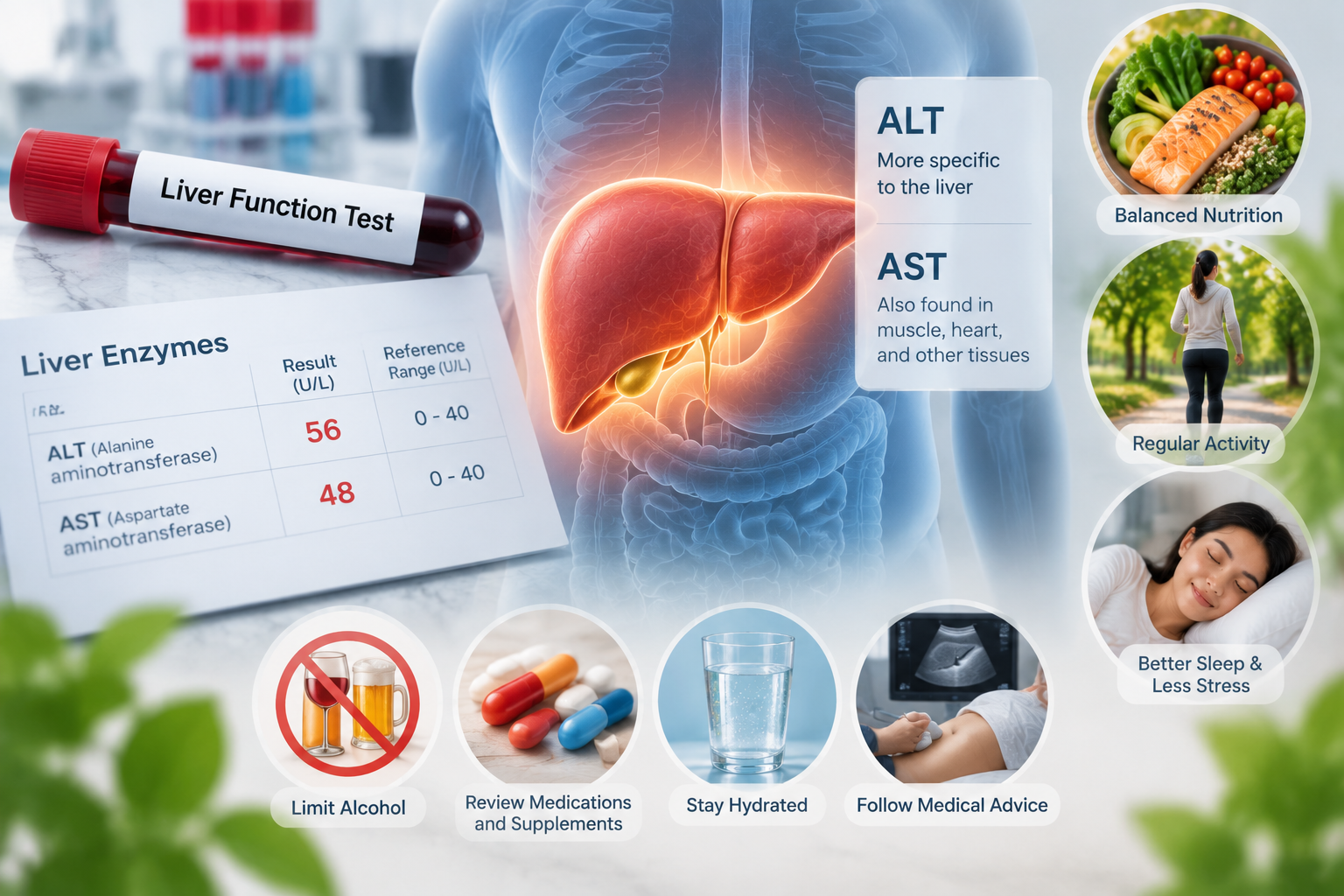
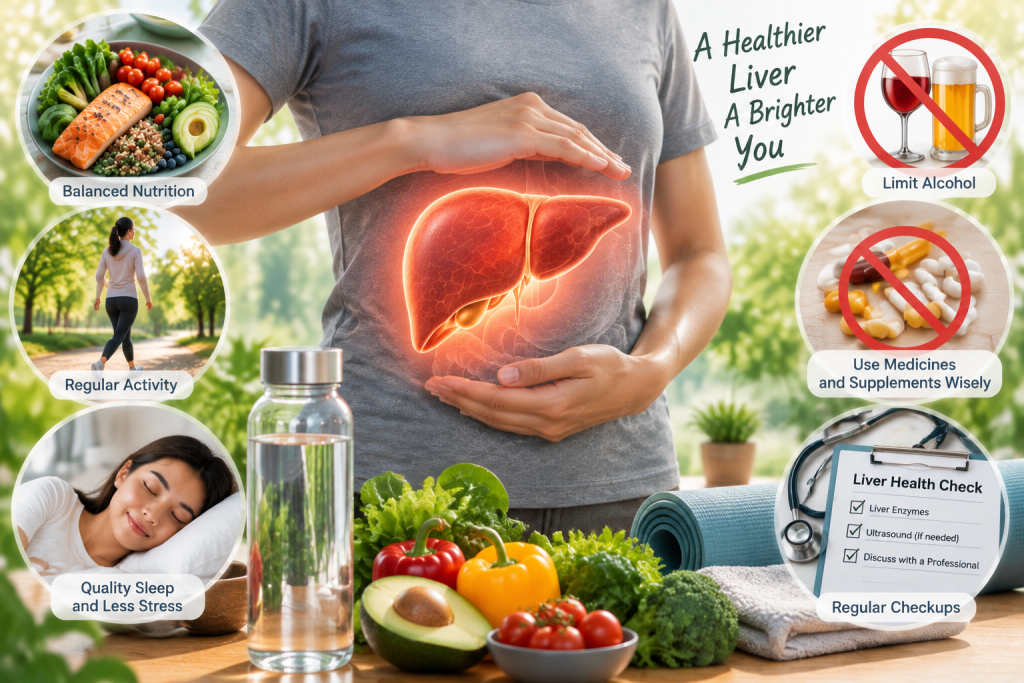
ALT and AST are enzymes measured in blood tests that can rise when liver cells or, in the case of AST, other tissues are stressed or injured.

Iron deficiency means the body’s iron stores are low, while iron-deficiency anemia occurs when the shortage becomes significant enough to reduce healthy red blood cell production.

Oral health includes the teeth, gums, tongue, saliva, jaw, and tissues of the mouth, all of which contribute to eating, speaking, comfort, and quality of life.

Eye health includes visual comfort, tear-film stability, focusing ability, and the long-term health of structures such as the retina, lens, cornea, and optic nerve.