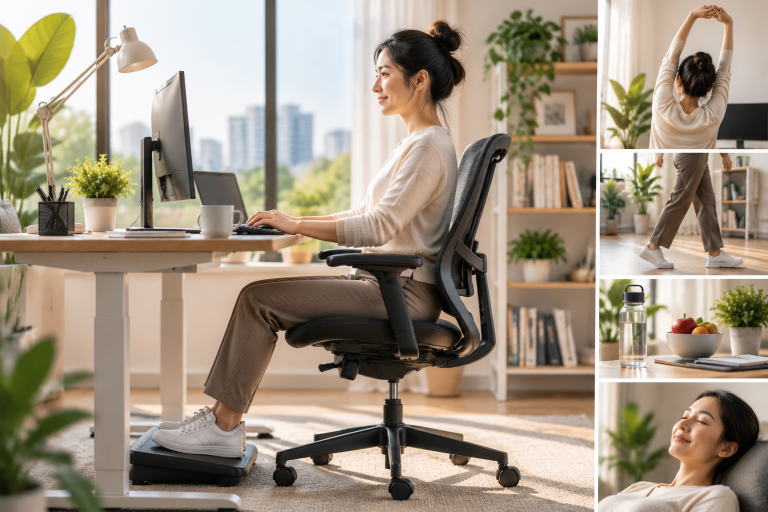

Understanding the Basics
Walking is a low-cost form of physical activity that can be adjusted for different ages, fitness levels, schedules, and environments. Understanding walking is useful because health information is easier to apply when the basic idea is clear rather than reduced to a single tip or number. This article explains the topic in practical language, focuses on habits that are realistic for everyday life, and highlights situations in which professional advice is more appropriate than self-management. The goal is not to create fear or perfection, but to help readers make informed choices and recognize patterns that may be worth discussing with a qualified healthcare professional.
Why Walking Matters
Regular walking can support cardiovascular fitness, mobility, mood, blood sugar control, endurance, and daily energy expenditure without requiring a gym. That is why a useful discussion of walking should look at context, patterns, and long-term habits instead of treating one symptom, food, measurement, or lifestyle choice as the whole story. Many health outcomes are shaped by several factors at once, including sleep, movement, stress, age, medicines, underlying conditions, and daily routines. A balanced approach helps readers avoid both extremes: ignoring something that deserves attention and worrying unnecessarily about a normal short-term change.
Signs and Patterns Worth Noticing
Feeling unusually breathless, dizzy, or experiencing chest pain during light activity is not something to push through and should be evaluated. These signs do not automatically confirm a diagnosis, but they can provide useful information about when to slow down, adjust a routine, or seek assessment. Patterns matter more than isolated moments, especially when a symptom is new, worsening, unusually severe, or repeatedly interferes with work, sleep, exercise, or normal daily activities. Keeping simple notes about timing, possible triggers, and associated symptoms can make a later conversation with a clinician more productive.
Everyday Habits That Can Help
Everyday habits can support walking in a practical way. Helpful foundations often include short daily walks, gradually increasing pace or duration, using stairs when practical, and pairing walking with commuting or errands. These habits work best when they are consistent and flexible rather than extreme. A routine does not have to be perfect to be useful; small changes that can be repeated most days usually provide more value than an intense plan that lasts only a short time. Building one or two habits at a time also makes it easier to notice what actually helps.
Common Mistakes to Avoid
One common mistake is assuming a walk only counts if it is long, fast, or reaches a specific step number. Health information online can make simple ideas sound absolute, but real people vary in medical history, age, lifestyle, medications, and goals. When advice is presented as a universal rule, it can lead to unnecessary restriction, overtesting, or misplaced confidence. A more reliable approach is to use general guidance as a starting point and then adjust it according to individual circumstances and professional advice when needed.
A Practical Starting Plan
Turn information about walking for health benefits into practice by choosing a limited experiment rather than redesigning the entire day. Define one action, decide when it will happen, and make the first version easy to complete. Track only the information that helps you make a decision. If the routine is too demanding, simplify it before adding anything else. This gradual approach makes it easier to distinguish a genuinely useful habit from a short-lived burst of motivation.
How Other Lifestyle Factors Connect
Consistency matters more than one impressive session. Three ten-minute walks spread through the day can be easier to sustain than one long walk and still contribute meaningful activity. This broader view is important because walking rarely exists in isolation. Sleep can affect appetite and stress, stress can affect symptoms and decision-making, and physical activity can influence mood, cardiovascular fitness, and sleep quality. Looking for these connections can make a wellness plan more efficient: one sustainable habit may support several areas of health at the same time.
Nutrition and Daily Choices
A balanced eating pattern can complement other habits that support walking for health benefits. Instead of focusing on one so-called superfood, it is more useful to build meals from vegetables, fruit, whole grains, legumes, protein sources, nuts, seeds, and other foods that fit personal preferences and culture. Nutrition needs are not identical for everyone, particularly when chronic conditions or medications are involved. Sustainable choices usually provide more value than short periods of severe restriction. Food choices should also remain flexible enough to reflect culture, budget, availability, and personal preferences so the routine can be maintained.
Movement and Physical Activity
For walking for health benefits, regular movement is often more valuable than occasional intense workouts. Short walks, resistance exercises, active commuting, household tasks, and other forms of activity can accumulate across the week and support overall health. People starting from a low activity level can begin with manageable sessions and add time or resistance gradually. Exercise should improve capacity over time, not require ignoring warning symptoms or persistent pain. People with medical conditions, recent injury, or a long period of inactivity may benefit from adapting the pace and type of activity to their individual situation.
Sleep, Stress, and Recovery
The relationship between walking for health benefits, sleep, and stress is often two-way. Symptoms can disturb rest, and poor rest can make symptoms or daily challenges feel more difficult. Keeping sleep timing reasonably consistent, reducing late stimulation, and building small recovery periods into the day can improve resilience. These strategies are supportive rather than curative, so ongoing or disabling sleep and stress problems still deserve professional attention. Improving recovery often makes other health behaviors easier because energy, concentration, and decision-making are less strained.
When to Seek Professional Advice
Knowing when to seek care is part of responsible self-management. People with major mobility limitations, recent surgery, serious heart or lung disease, or unexplained exercise symptoms should ask about safe activity levels. In less urgent situations, a clinician can help interpret symptoms, measurements, laboratory tests, or risk factors in context. Professional advice is especially valuable when symptoms are persistent, when there is a significant medical history, or when a person is considering major changes to medication, supplements, diet, or exercise.
Key Takeaways
The most useful takeaway is that walking is best approached through patterns, sustainable habits, and appropriate medical guidance rather than quick fixes. Start with one practical change, observe how it fits daily life, and build gradually. Health information is most valuable when it reduces confusion and supports better decisions, not when it creates pressure to control every number or symptom. If something feels unusual, severe, or persistent, asking for professional advice is a sensible next step.
Making the Advice Sustainable
For readers searching for walking for health benefits, it can help to focus on what can be repeated week after week. A useful routine should fit work, family, finances, culture, food access, and personal preferences. That may mean preparing simple meals instead of perfect ones, walking in short blocks instead of scheduling long workouts, or improving bedtime by fifteen minutes rather than trying to redesign the entire evening. These modest decisions are easier to maintain and can create meaningful changes when they become part of ordinary life.
Building a Long-Term Perspective
Long-term progress with walking is rarely linear. Travel, illness, busy work periods, family responsibilities, and changes in motivation can interrupt even a good routine. Instead of treating interruptions as failure, it is more useful to return to the smallest version of the habit that still feels manageable. This approach protects consistency and reduces the all-or-nothing thinking that often makes healthy routines harder to maintain. Over time, reviewing what works in real life is more valuable than following a plan that looks perfect on paper.
Related Reading on Vitaora
If you want to continue exploring this topic, Vitaora also covers Simple Stress Management, Support Immune Health Naturally, and Healthy Digestion Habits. These articles approach connected questions from different angles, making it easier to understand how daily habits, clinical information, and overall wellness can influence one another. Following related topics can also help you build a more complete picture instead of treating one symptom, measurement, or lifestyle habit in isolation.
Medical note: This article is for general educational purposes only and is not a substitute for professional medical advice, diagnosis, or treatment.