Supporting Liver Health: What Daily Habits Can and Cannot Do
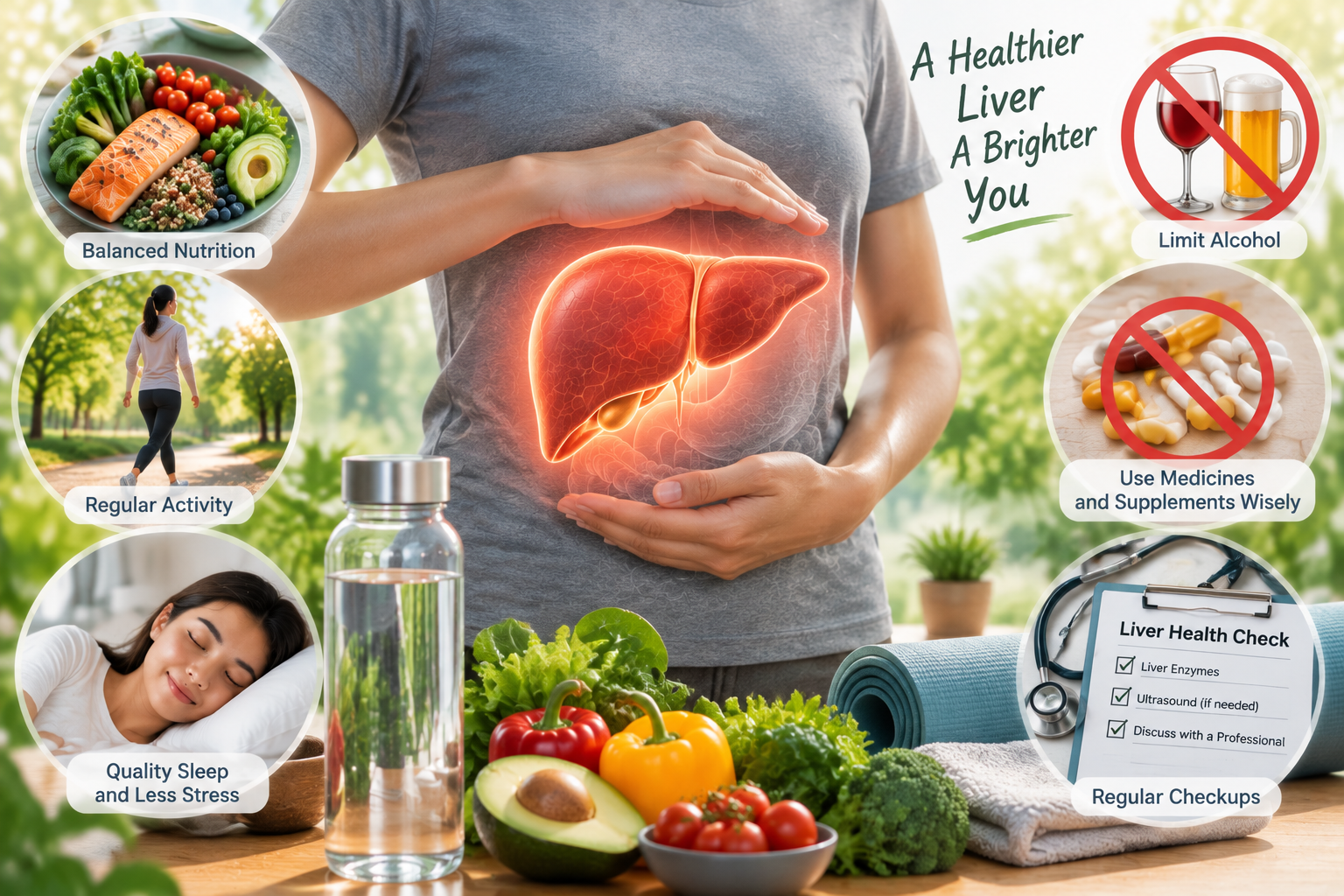
The liver processes nutrients, produces bile, stores energy, helps regulate blood chemicals, and breaks down many medicines, alcohol byproducts, and other substances.

The liver processes nutrients, produces bile, stores energy, helps regulate blood chemicals, and breaks down many medicines, alcohol byproducts, and other substances.

Heat stress occurs when the body gains more heat than it can safely release. Hot weather, humidity, intense exercise, heavy clothing, dehydration, certain medicines, and underlying health conditions can all increase risk.

Lung health depends on open airways, healthy lung tissue, strong breathing muscles, circulation, and protection from smoke, infection, and harmful particles.
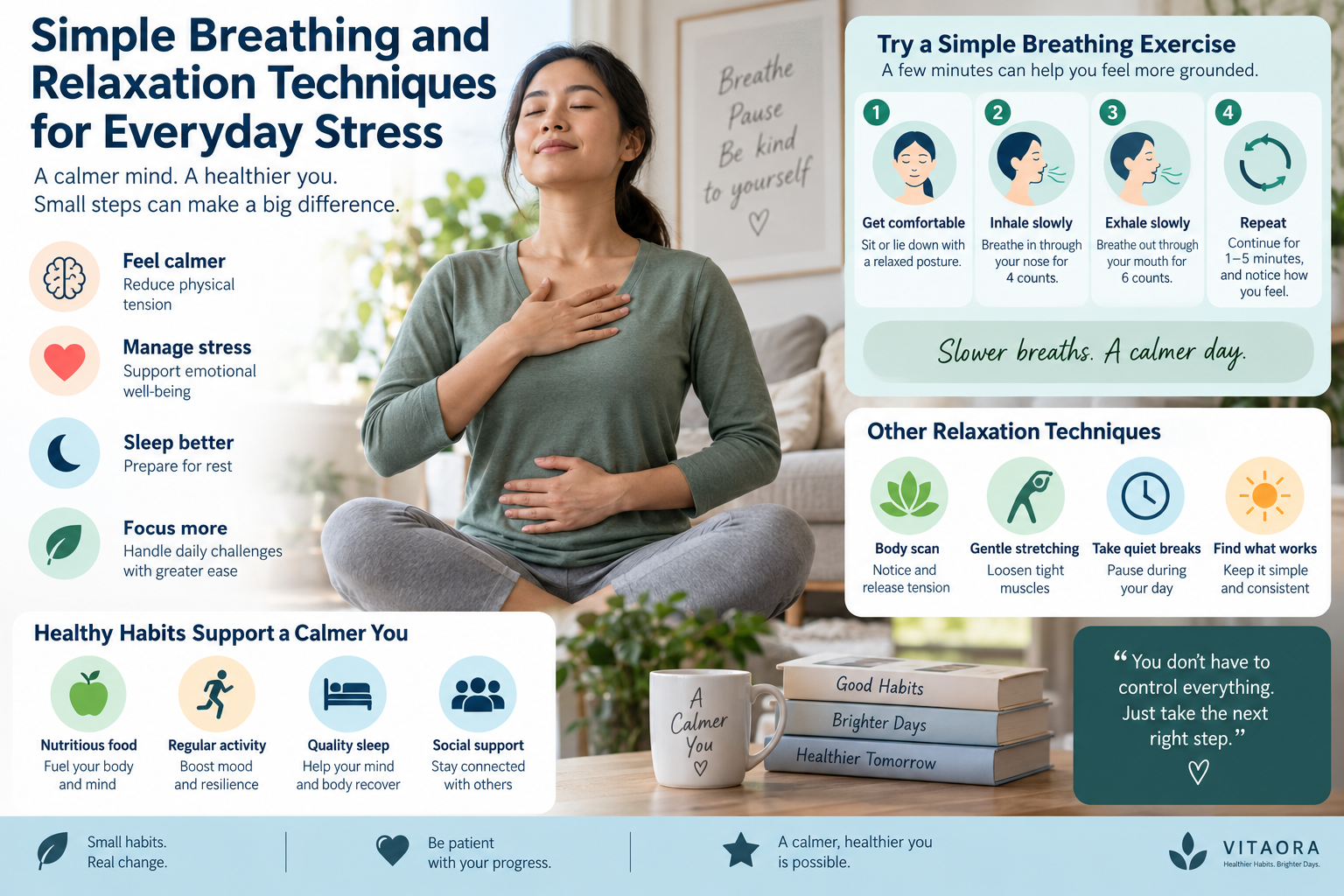
Slow breathing and relaxation exercises are simple techniques that can reduce physical tension and help shift attention away from a constant stress response.

Resting heart rate is the number of times the heart beats per minute when a person is calm and at rest.

Bones are living tissues that are constantly being remodeled. Bone strength is influenced by age, hormones, genetics, nutrition, physical activity, body size, medicines, and certain health conditions.

Social connection is the sense of belonging, support, trust, and meaningful contact we experience with other people. Understanding social connection is useful because health information is easier to apply when the basic.

An allergy involves the immune system reacting to a substance that is usually harmless, while an intolerance generally involves difficulty digesting or processing a food or substance without the same immune mechanism.

Cardiovascular health includes the condition of the heart and blood vessels as well as factors such as blood pressure, cholesterol, blood sugar, activity level, and tobacco exposure.

Exercise consistency means returning to movement regularly over time, even when some sessions are shorter or less intense than planned.